Article overview
Running sock launches are often squeezed between technical ambition and budget reality. New brands want compression zones, cushion mapping, multiple colors, and premium packaging in the first order. MOQ strategy is what keeps that launch realistic.
Custom running socks become complex faster than many first-time buyers expect
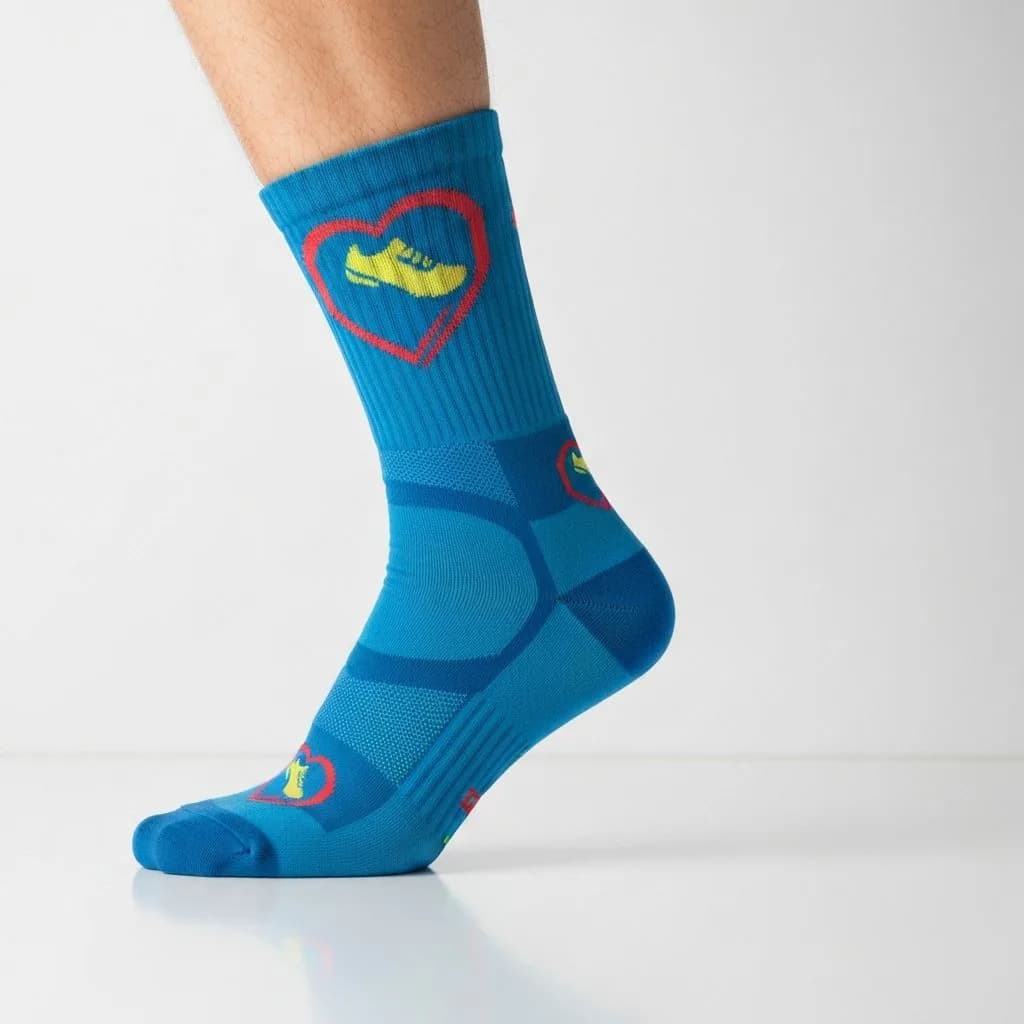
Running socks are more technical than they look. Cushion mapping, arch support, yarn choice, height, cuff tension, and logo placement all interact. That is why first launches work better when brands decide which performance promises are essential and which ones can wait for version two.
MOQ rises when too many technical and branding variables are stacked together
- Multiple heights split volume before the fit is proven.
- Too many colorways weaken reorder discipline.
- Premium packaging adds cost and component complexity early.
- Highly specific technical zones can slow development and sampling.
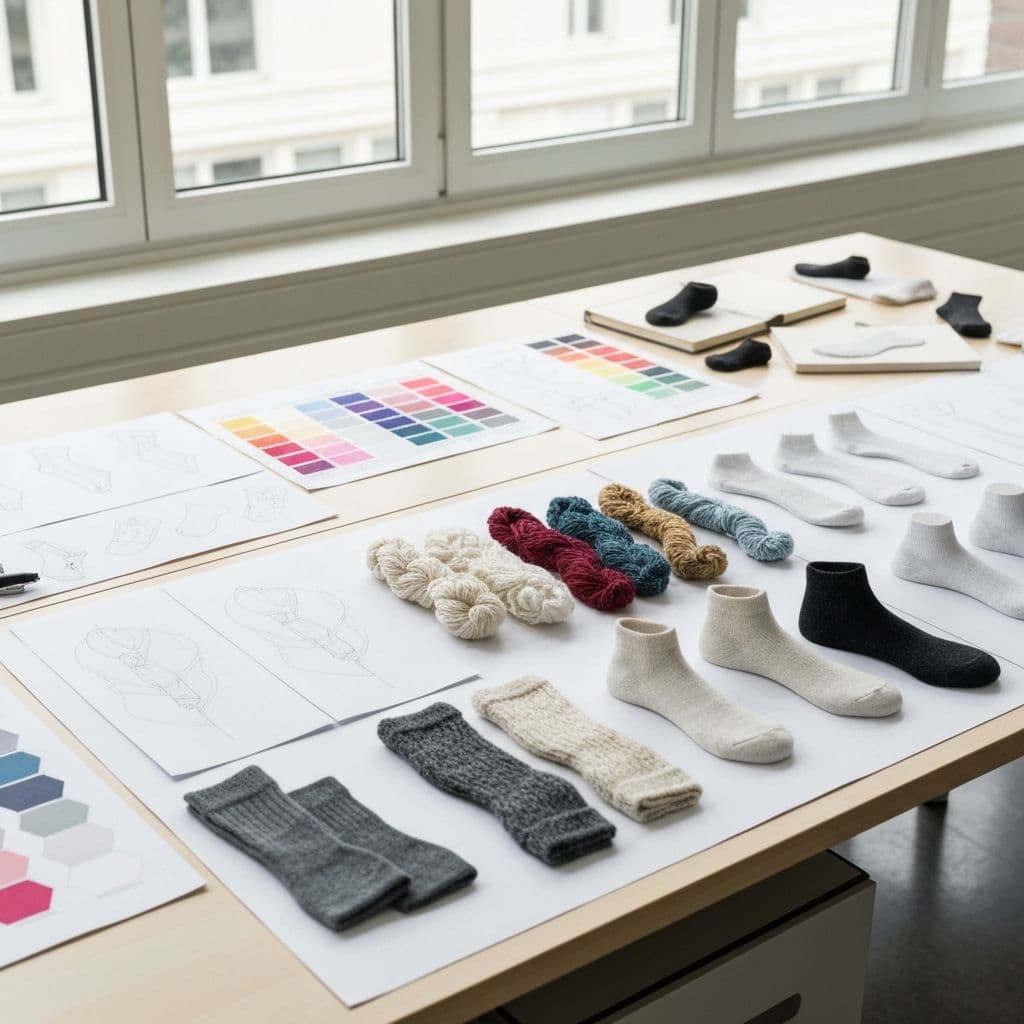
Sampling should focus on run feel first
The first sample round should test how the sock performs in motion. Buyers get more value from checking fit, recovery, and pressure zones than from debating small graphic changes before the structure is proven.
Launch budget should be tied to the hero product, not to every possible variant
A strong running sock launch usually comes from one hero style with a clear use case such as daily training, racing, or club wear. Volume concentration creates better economics and a cleaner product story than spreading the first order across too many variants.
Smart first-order structure for new running programs
- Choose one primary height and one main use case.
- Limit launch colors to brand-critical options only.
- Use packaging that protects margin rather than over-signaling premium too early.
- Plan the reorder before the first race-day push or club launch event.