Article overview
Many sock collections slip not because the design is wrong, but because the calendar is unrealistic. Seasonal launches need sample timing, packaging lead time, and replenishment assumptions built in from the beginning.
Seasonal sock launches usually fail in the calendar, not in the concept
The most common problem is simple: teams treat the launch date as the first real deadline instead of the last one. By the time the seasonal brief is approved, there is often not enough room left for sample rounds, packaging changes, and freight planning.
Build the plan backward from the shelf or campaign date
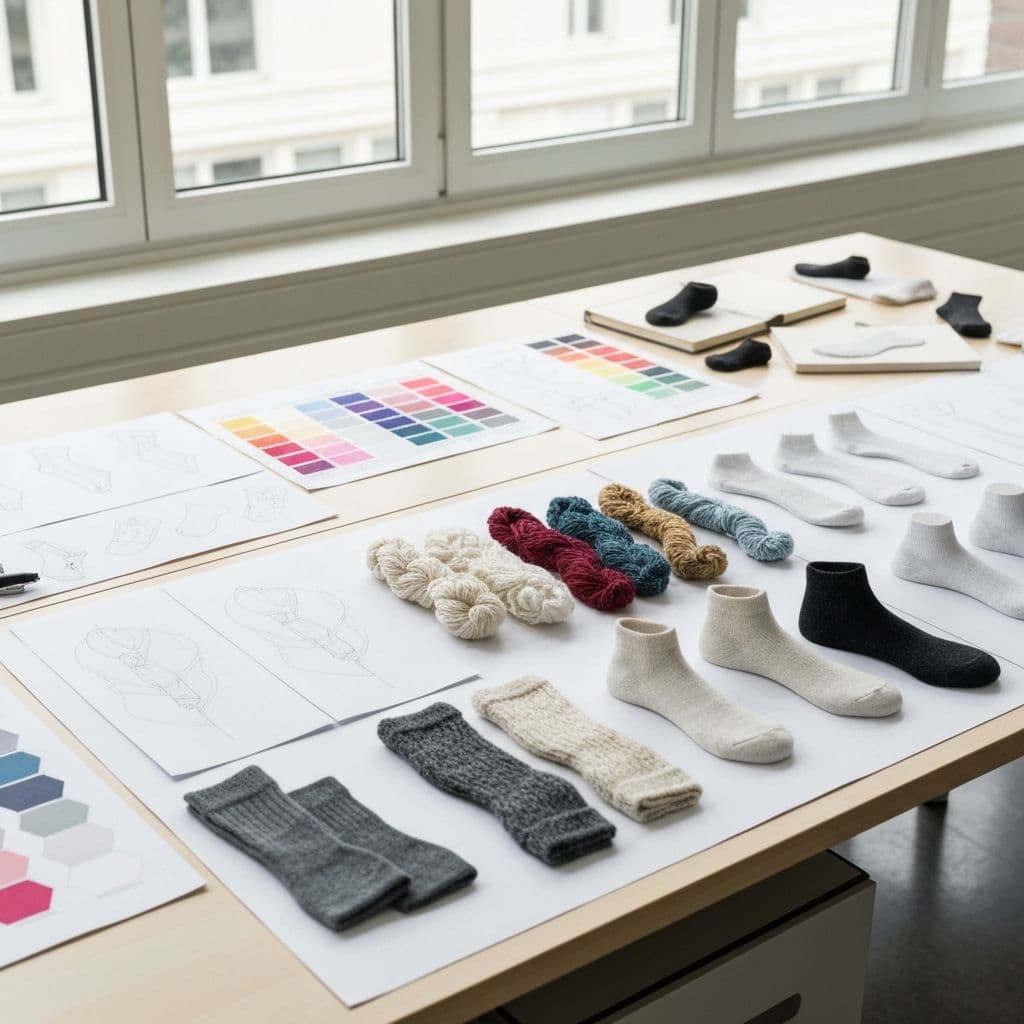
Retail calendar planning works better when the final in-store or in-campaign date is fixed first. From there, brands can map sample approval, production booking, packaging sign-off, and shipment timing in the correct order instead of guessing forward.
Sampling and packaging usually create more drag than production
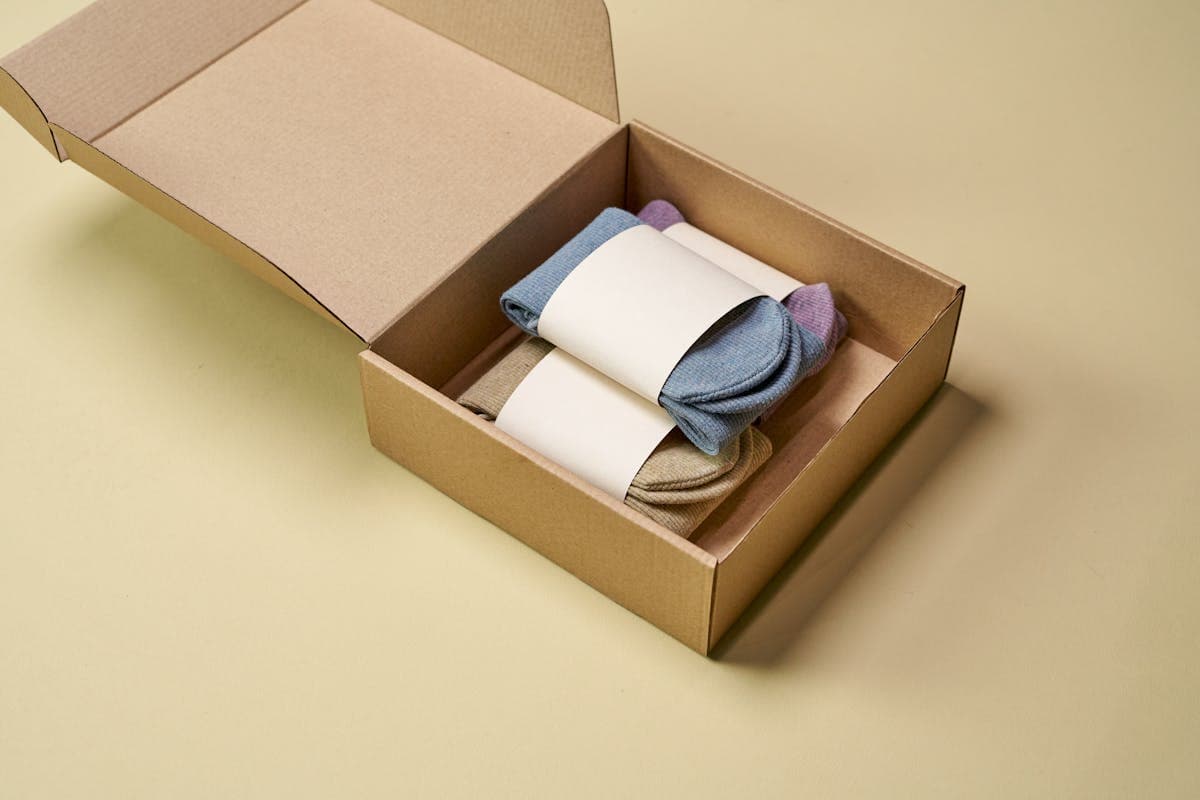
When launches slip, the bottleneck is often packaging art or assortment indecision rather than knitting capacity itself. That is why seasonal programs perform better when packaging choices are simplified and sample criteria are locked early.
Seasonal inventory needs a different risk model than evergreen basics
- Shorter sell-through windows increase markdown exposure.
- Color and theme risk is higher than in evergreen core styles.
- Replenishment must be deliberate because late restocks can miss the demand window entirely.
Use a repeatable seasonal execution rhythm
The most reliable brands reuse the same planning cadence every season: lock concept, reduce assortment complexity, approve packaging, confirm freight assumptions, and only then place final production volume.