
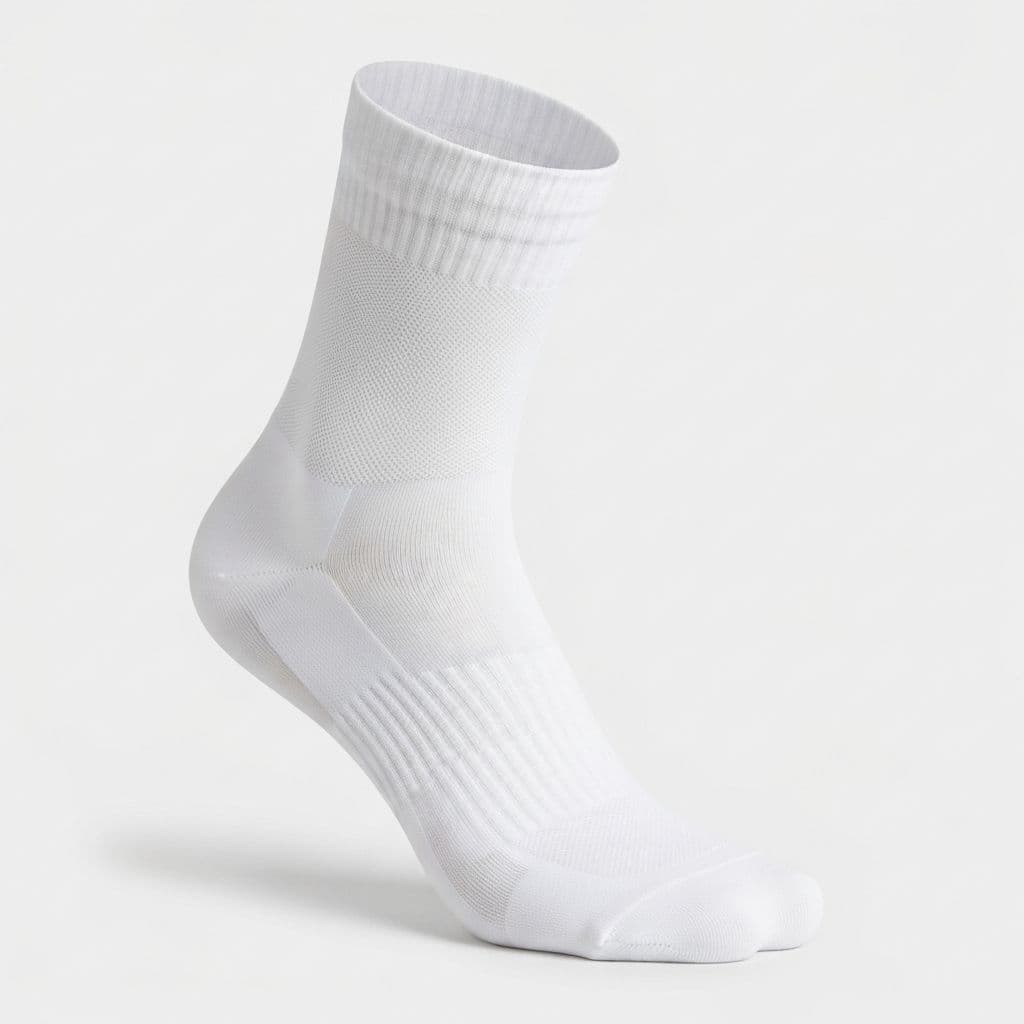
With over 537 million adults living with diabetes worldwide, and that number projected to reach 783 million by 2045, diabetic socks represent a significant and growing market opportunity. This guide provides wholesale buyers with essential knowledge about diabetic sock features, specifications, and sourcing considerations.
537M
adults with diabetes globally
50%
of diabetics develop neuropathy
85%
of amputations preventable with proper care
Understanding Diabetic Foot Complications
Diabetes can cause serious foot complications that make proper footwear, including specialized socks, essential for patient health:
Peripheral Neuropathy
High blood sugar damages nerves, particularly in the feet. This leads to numbness, tingling, or loss of sensation, meaning patients may not feel injuries, blisters, or irritation that can lead to serious infections.
Poor Circulation
Diabetes often causes peripheral artery disease, reducing blood flow to extremities. Poor circulation slows healing and increases infection risk. Tight socks that restrict blood flow can worsen these issues.
Increased Infection Risk
Diabetics have compromised immune function, making them more susceptible to foot infections. Moisture buildup and bacterial growth in regular socks can create dangerous conditions.
Why This Matters for Buyers
Diabetic socks are not just "comfortable socks" - they are medical products designed to prevent serious complications. Understanding these health needs helps you source appropriate products and communicate value to customers. Poor quality diabetic socks can contribute to foot problems, not prevent them.
Essential Diabetic Sock Features
Quality diabetic socks incorporate multiple design features to address the specific needs of diabetic patients. Here's what to look for:
1. Non-Binding, Non-Constricting Tops
The most critical feature of diabetic socks is a loose, non-binding top that doesn't restrict circulation.
- Wide, relaxed opening that doesn't leave marks on skin
- No elastic bands that could constrict blood flow
- Gentle hold that prevents slipping without squeezing
- Often uses soft, wide elastic or none at all
Test: Quality diabetic socks should stay up without leaving any indentation marks on the leg after wearing.
2. Seamless or Smooth-Seam Toe Construction
Seams create pressure points and friction that can cause blisters, especially dangerous for patients with neuropathy who may not feel the irritation developing.
- True seamless construction (most protective)
- Hand-linked flat seams (premium alternative)
- Inside-out seams with smooth interior surface
Quality check: Run your finger along the inside toe area - you should feel no raised ridges or bumps that could cause friction.
3. Moisture-Wicking Materials
Keeping feet dry prevents bacterial and fungal growth while reducing blister risk:
- Synthetic blends (acrylic, polyester) for moisture management
- Bamboo or merino wool for natural moisture control
- Cotton-synthetic blends for comfort with wicking properties
- Avoid 100% cotton, which retains moisture
4. Antimicrobial Treatment
Antimicrobial properties help prevent infections by inhibiting bacterial and fungal growth:
- Silver-infused fibers (X-Static, SilverSeal)
- Copper-infused materials
- Zinc-based antimicrobial treatments
- Natural antimicrobial materials (bamboo, wool)
5. Cushioned Sole
Extra cushioning protects against pressure points and impact:
- Full-sole cushioning for maximum protection
- Strategic padding in heel and ball of foot
- Graduated cushioning that doesn't add bulk
6. Light Colors (Optional but Recommended)
White or light-colored socks help patients quickly identify wounds or drainage that might otherwise go unnoticed due to neuropathy. This is especially important for newly diagnosed patients learning to monitor their foot health.
Material Composition Guidelines
The ideal material blend balances moisture management, comfort, durability, and antimicrobial properties.
Recommended Material Compositions
Standard Diabetic Sock Blend:
60% Acrylic, 35% Cotton, 5% Spandex
Premium Moisture-Wicking Blend:
55% Polyester, 30% Cotton, 10% Nylon, 5% Spandex
Natural Antimicrobial Blend:
65% Bamboo, 30% Cotton, 5% Spandex
Silver-Infused Medical Grade:
55% Acrylic, 25% Cotton, 15% X-Static Silver, 5% Spandex
Diabetic Sock Categories & Styles
Crew Length (Mid-Calf)
Most popular style, covering the lower leg while providing protection and compression-free comfort. Ideal for everyday wear with pants or casual clothing.
Over-the-Calf / Knee-High
Extended coverage for patients with circulation concerns in the entire lower leg. Popular for formal wear or patients who prefer more coverage. Non-binding top is especially critical at this length.
Ankle / Quarter Length
Lower profile option for warmer weather or athletic activities. Some patients prefer this style with sandals or low-cut shoes. Ensure non-binding features are maintained.
Diabetic Slipper Socks
Indoor socks with non-slip gripper soles for patients who don't wear shoes at home. Provides protection and fall prevention for patients with neuropathy.
Size and Fit Considerations
Proper sizing is crucial for diabetic socks - too tight restricts circulation, too loose causes friction:
| Size | Men's Shoe | Women's Shoe | Calf Circumference |
|---|---|---|---|
| Small | 4-6 | 5-7 | 10-12" |
| Medium | 6-9 | 7-10 | 12-15" |
| Large | 9-12 | 10-13 | 15-18" |
| X-Large | 12-15 | 13+ | 18-21" |
| 2X-Large | 15+ | 4X | 21-24" |
Important: Many diabetic patients have swelling that varies throughout the day. Extended size ranges (XL, 2XL, 3XL) are essential for this market and often underserved by competitors.
Quality Standards & Certifications
When sourcing diabetic socks for medical supply distribution, look for these quality indicators:
- FDA Registration: Required for products marketed as medical devices in the US
- OEKO-TEX Standard 100: Certifies products are free from harmful substances
- ISO 13485: Quality management for medical device manufacturing
- CE Marking: Required for medical products sold in the European Union
Target Market & Distribution Channels
Diabetic socks serve multiple market segments through various distribution channels:
Retail Pharmacy
- Chain pharmacies (CVS, Walgreens)
- Independent pharmacies
- Diabetes specialty sections
Medical Supply
- DME (Durable Medical Equipment) suppliers
- Hospital gift shops
- Medical supply stores
Healthcare Providers
- Podiatry clinics
- Endocrinology practices
- Diabetes education centers
E-commerce
- Amazon Healthcare
- Diabetic specialty websites
- Direct-to-consumer brands
Pricing & Profit Margins
Diabetic socks command premium pricing compared to regular socks due to specialized construction and medical positioning:
| Category | Wholesale | Retail | Margin |
|---|---|---|---|
| Basic Diabetic | $2-4/pair | $8-15/pair | 60-75% |
| Premium Diabetic | $4-7/pair | $15-25/pair | 55-70% |
| Silver-Infused | $6-10/pair | $20-35/pair | 55-65% |
| Multi-pack (3-6 pairs) | $10-25/pack | $25-50/pack | 50-60% |
Wholesale Sourcing Tips
- Request lab testing reports: Verify antimicrobial efficacy and material claims
- Test samples thoroughly: Wear-test and wash samples before bulk orders
- Verify non-binding claims: Ensure tops truly don't leave marks after extended wear
- Check seam quality: Run fingers inside socks to feel for any rough spots
- Confirm sizing accuracy: Test all sizes against specifications
- Inspect packaging: Professional medical packaging adds perceived value
- Request certification documentation: Essential for medical supply distribution
Conclusion
Diabetic socks represent a growing market with strong margins and meaningful health benefits for patients. Success in this category requires understanding the medical needs driving product features and sourcing quality products that truly deliver on their promises.
At VelonSocks, we manufacture diabetic socks with all essential features including non-binding tops, seamless toe construction, moisture-wicking materials, and antimicrobial treatments. Our products are available with appropriate certifications for medical distribution. Contact us to discuss your diabetic sock wholesale requirements.