What this article covers
Buyers rarely struggle with carton marks as an isolated specification. The real question is whether it still fits the order when you look at incoterms, customs, transit time, and landed cost, the target channel, and the reorder plan. This guide turns that decision into practical checks before the team moves into samples or bulk production.
Why Carton marks needs a stricter review process
Carton marks is not just a keyword for search or a line item on a spec sheet. The real decision is whether it still works when you test it against incoterms, customs, transit time, and landed cost for the first order, the sample round, and the reorder path.
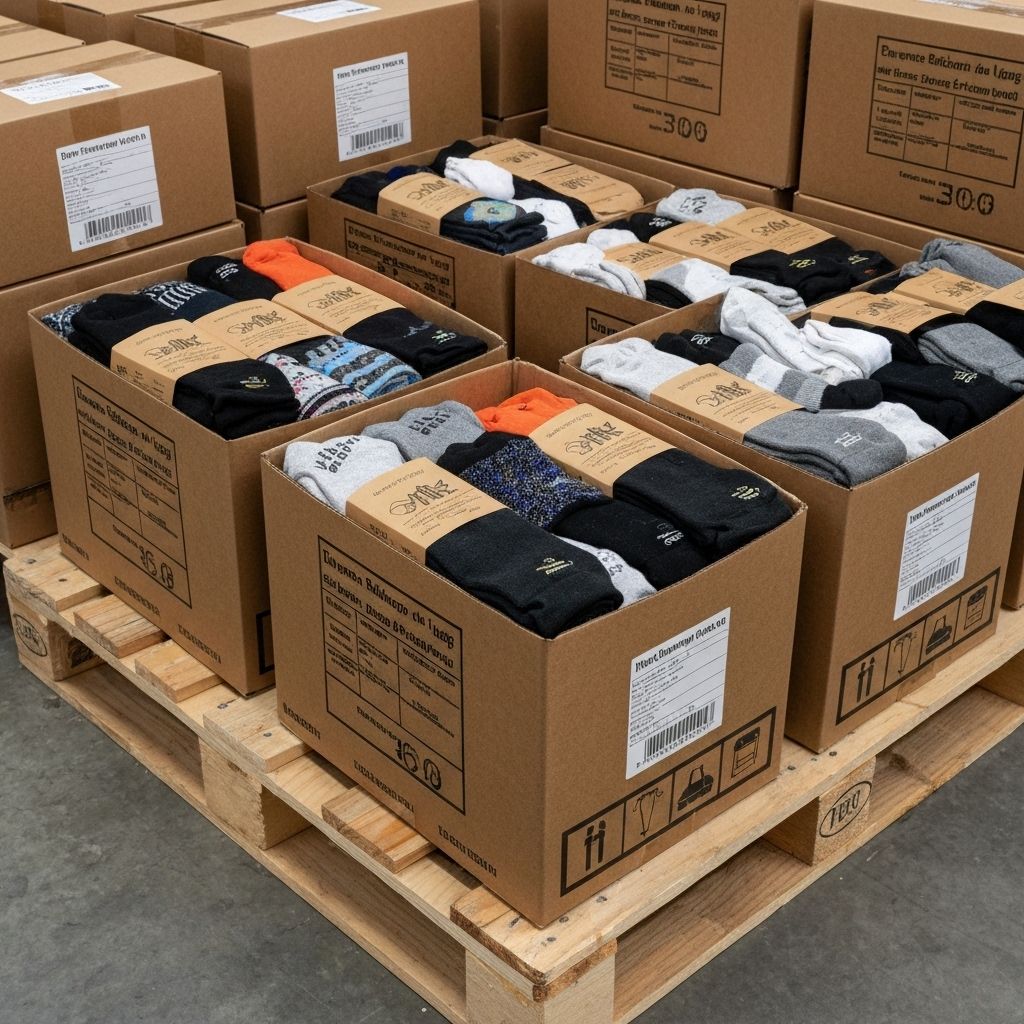
Outer-pack execution affects warehouse handling and retail readiness, so this is a highly practical topic for importers and distributors. The point of this guide is to turn that idea into a practical buyer checklist instead of a vague product opinion.
- A buyer balancing delivery date against freight cost and customs responsibility.
- A team deciding whether DDP, air, or sea is the safer commercial path.
- A program owner who needs a delivery structure that the warehouse can actually receive on time.
What the team should verify before approval
The strongest buying process starts by comparing the surrounding variables, not just the core keyword. That matters most when teams are balancing performance expectations against price, MOQ, and a limited sample budget.
- Review how Inner pack changes the practical buying decision around carton marks.
- Review how Master carton changes the practical buying decision around carton marks.
- Review how Barcode labels changes the practical buying decision around carton marks.
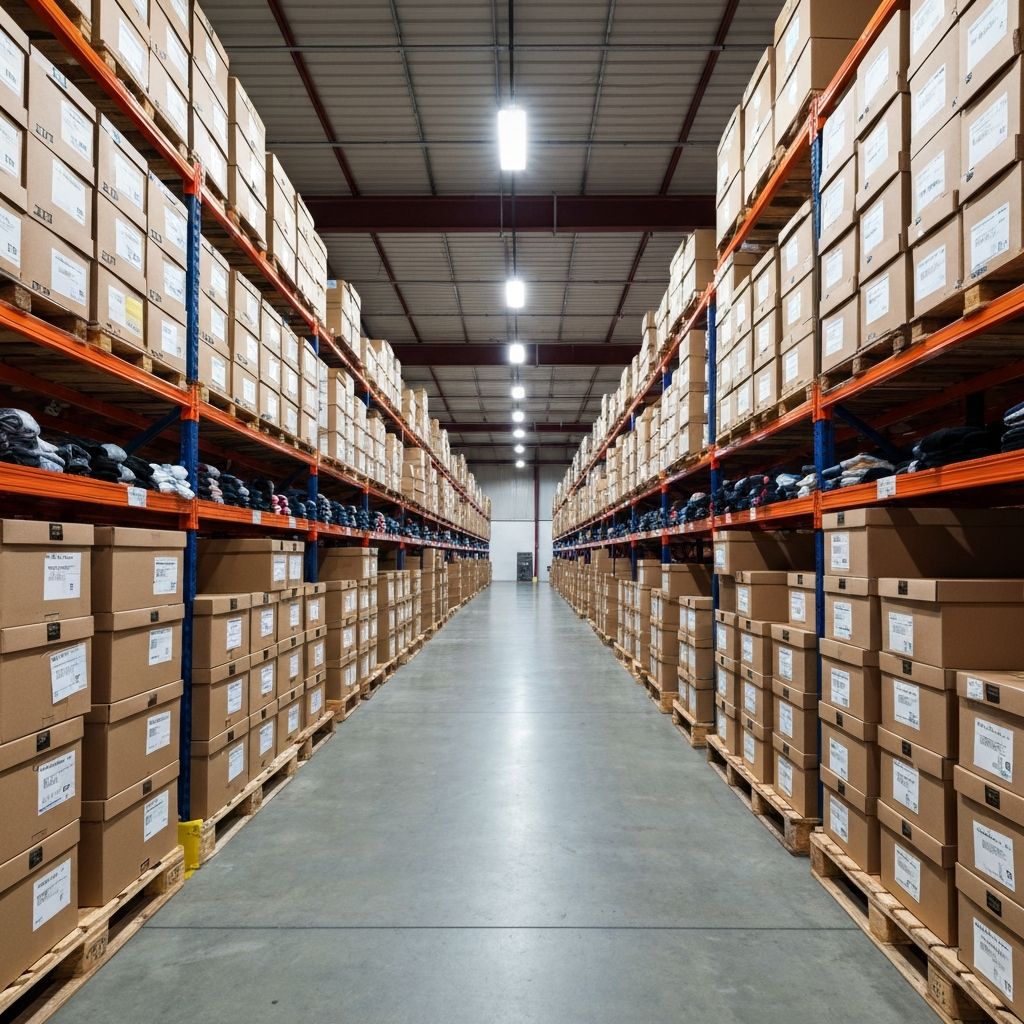
- Review how Warehouse receiving changes the practical buying decision around carton marks.
- Check whether the current target page, production workflow, already sets the product direction this topic should support instead of contradict.
Questions to ask before you lock the brief
Once the decision changes, it usually changes more than the sample appearance. It can affect yarn usage, machine setup, packing rhythm, review cycles, and which suppliers are actually a fit for the project.
- Incoterms and freight mode change landed cost, customs work, and delivery certainty.
- A late shipment is usually more expensive than the freight line itself suggests.
- The production workflow page should be used to align the freight choice with the actual buying path.
If the project is still early, compare this with our pricing guidance and production workflow before you expand the brief. That usually creates a more realistic first order and a clearer path to repeat production.
Where projects usually go off track
- Comparing DDP, air, and sea as if they were identical concepts.
- Ignoring who owns customs, duties, and last-mile delivery.
- Using air freight as a habit instead of a deliberate business decision.
The short list to confirm before production
- Define the commercial objective behind carton marks before you request samples.
- Write the surrounding product assumptions into the brief, not just the hero feature.
- Review cost, MOQ, and lead-time effects at the same time as technical feedback.
- Use one clear approver and one sample scorecard to keep revision cycles short.
- When you are ready to move, pair this topic with production workflow and send the final brief through our quote form.
When you are ready to move, pair this topic with production workflow and send the final brief through our quote form.