
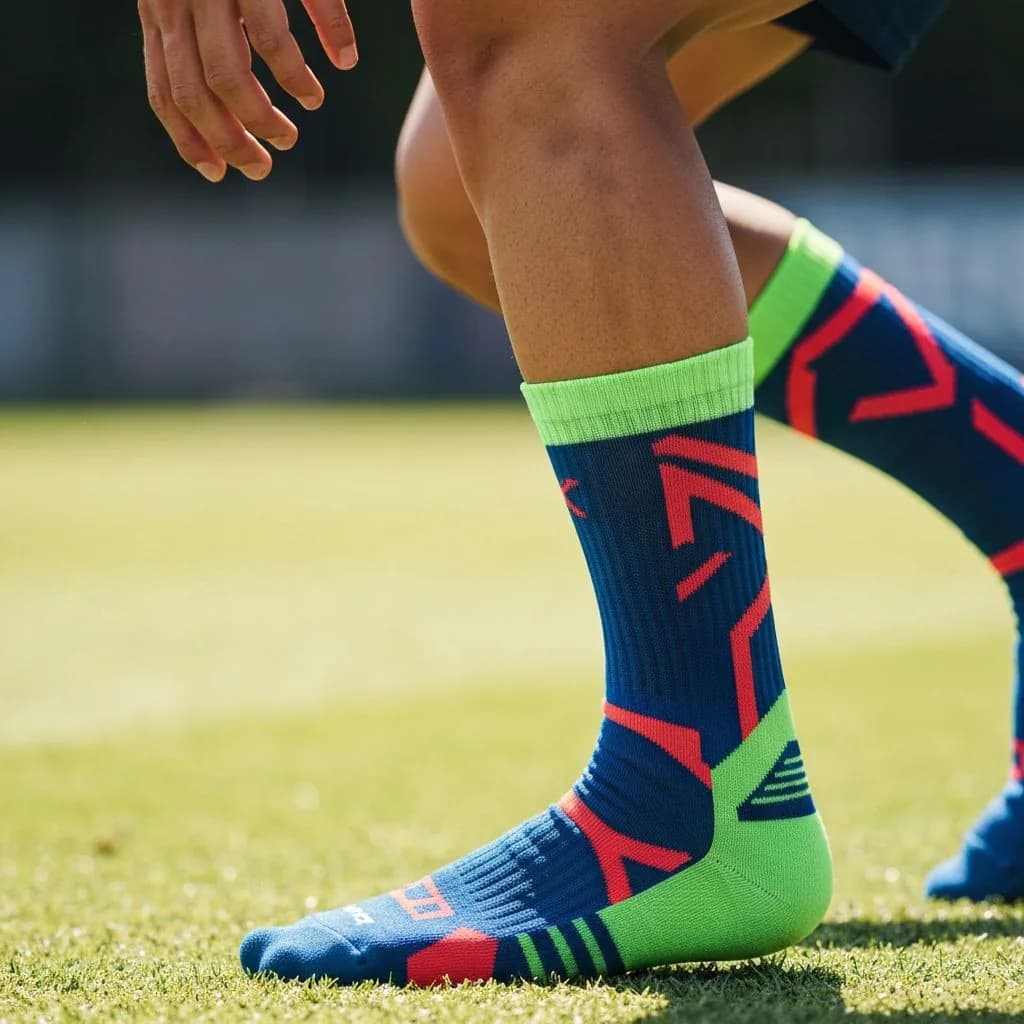
Article overview
Buyers rarely struggle with 168n / 200n (needle count) as an isolated specification. The real challenge is understanding how it changes product feel, quote logic, supplier setup, and whether the finished sock still fits the brand or retail channel you are trying to serve. This guide is built to help product teams compare the technical detail against commercial reality before they move into samples or bulk production.
Why 168N / 200N (Needle count) should be compared in context
168N / 200N (Needle count) often sounds like a narrow technical detail, but buyers usually feel the impact across multiple parts of the project. It can influence how the sock fits, how the product is positioned, what the supplier recommends during sampling, and how the final program should be priced or merchandised.
That is why better sourcing teams treat this decision as part of a broader operating system. Instead of asking whether 168n / 200n (needle count) is generally "better," they ask whether it suits the target customer, the intended sport or channel, and the level of complexity the first production run can realistically support.
The buying variables that change the decision
The strongest buying process starts by comparing the surrounding variables, not just the core keyword. That is especially true when teams are balancing performance expectations against price, MOQ, and a limited sample budget.
- Review how High-density cushioning changes the practical buying decision around 168n / 200n (needle count).
- Review how Technical setup changes the practical buying decision around 168n / 200n (needle count).
- Review how Durability changes the practical buying decision around 168n / 200n (needle count).
- Review how Unit price changes the practical buying decision around 168n / 200n (needle count).
- Check whether the current target page, sports sock solutions, already sets a product direction that this topic should support instead of contradict.
How the choice changes cost, setup, and supplier fit
Buyers often discover too late that a technical preference changes more than the sample appearance. It can affect yarn usage, machine setup, packing rhythm, review cycles, or which suppliers are truly a fit for the project. This is where teams need to connect the topic to quote assumptions and launch timing instead of debating it in isolation.
If the project is still early, compare this with our pricing guidance and production workflow before you expand the brief. That usually creates a more realistic first order and a clearer path to repeat production.
The most common mistakes buyers make
- Do not let the team treat 168n / 200n (needle count) as a styling decision only.
- Do not ask the supplier to solve conflicting objectives without a ranking of priorities.
- Do not expand colors, packaging, and extra features before the first production logic is stable.
- Do not skip the sample feedback loop that confirms whether the brief still fits the target channel.
A practical checklist before you approve the next sample
- Define the commercial objective behind 168n / 200n (needle count) before you request samples.
- Write the surrounding product assumptions into the brief, not just the hero feature.
- Review cost, MOQ, and lead-time effects at the same time as technical feedback.
- Use one clear approver and one sample scorecard to keep revision cycles short.
- When you are ready to move, pair this topic with sports sock solutions and send the final brief through our quote form.